
News
Collaborator Spotlight

Dayna Johnson
What’s one common misconception about sleep epidemiology that you’d like to dispel? Sleep itself is a complex construct which is actually challenging to measure, and involves bringing several methods to the table. The myth is thinking it’s just an one-dimensional concept that’s easy to classify.
Amanda Ajrouche
How did you become interested in structural racism and health? As an Arab American, it became clear quite early that research around Arab Americans is so limited and outdated- this really propelled me to want to jumpstart my research around Arab American communities. Structural racism is something that affects all people of color, although not in the same ways, if we work on finding solutions that can help liberate all of our communities, we can dismantle structural racism more effectively.

Huaman Sun
What’s one common misconception about your area of research that you’d like to dispel? Although survey research has been widely used as a tool to describe and understand society, few people know survey methodology as a discipline. We are a group of statisticians, psychologists, sociologists and data scientists who study the sources of error (the bias and variability) in surveys. We aim to improve the quality of survey data at each stage of data collection.
Devon Payne-Sturges
What’s one common misconception about your area of research that you’d like to dispel? I think a lot of people might see environmental science research as pretty doomsday. But I think to flip that around is that we need to understand those issues in order for a solution to be identified. And that’s a call to action that in environmental health sciences there needs to be more emphasis on not only identifying the bad, but also talking about the solution.
Marie-Anne Rosemberg
What is your area of research or expertise that you bring to the Landscapes collaboration? I want to look at the health and well being of at-risk workers, marginalized workers. They are primarily low wage women, individuals of color, and immigrants. These people are the ones who are living in different communities that are putting them at this disadvantage, who are most likely to experience poor health conditions because of all those other systemic factors that come into play, including workplace factors.
Cesar Higgins Tejera
What is your area of research or expertise that you bring to the Landscapes collaboration?
What I’m trying to bring into the Landscape group is to better understand the relationship between biomarkers of inflammation and accelerated aging and their relation to cognitive decline in people exposed to structural racism.
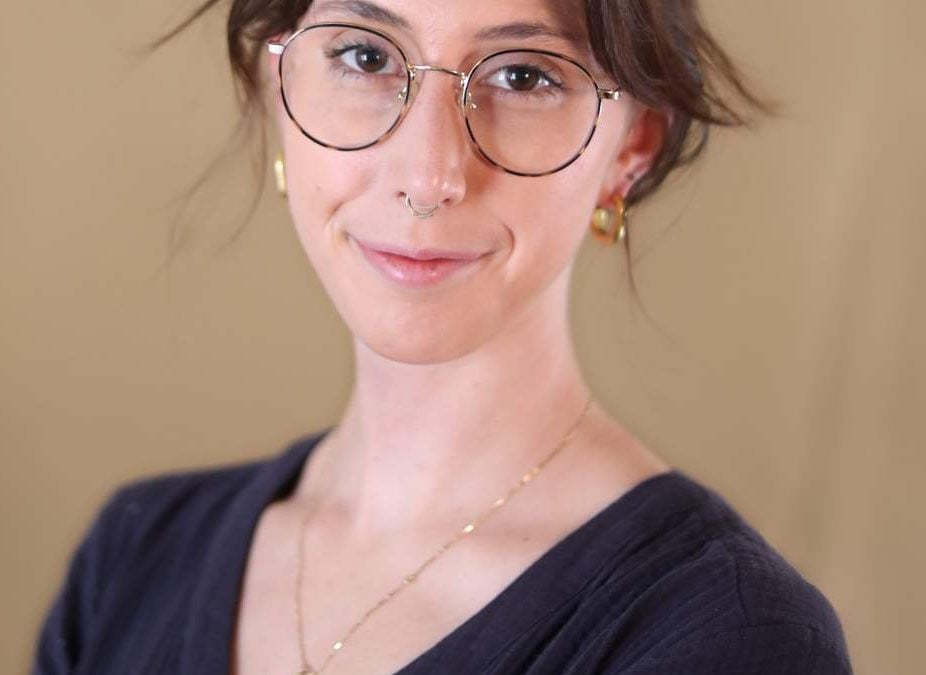
Victoria Fisher
What’s one common misconception about your area of research that you’d like to dispel?
Not all epidemiologists study infectious diseases! I get asked a lot of questions about COVID-19. I don’t know anything about infectious diseases (from an epidemiological perspective), but I’ll happily talk to you about life course perspective and cumulative (dis)advantage!

John Dou
What do you find challenging or exciting about interdisciplinary collaboration?
What I find most exciting is being allowed to study things I would not have had the creativity or knowledge to come up with on my own. Some interesting things I’ve looked at, including things like transcriptomics in sheep as a model organism or examining associations between segregation…
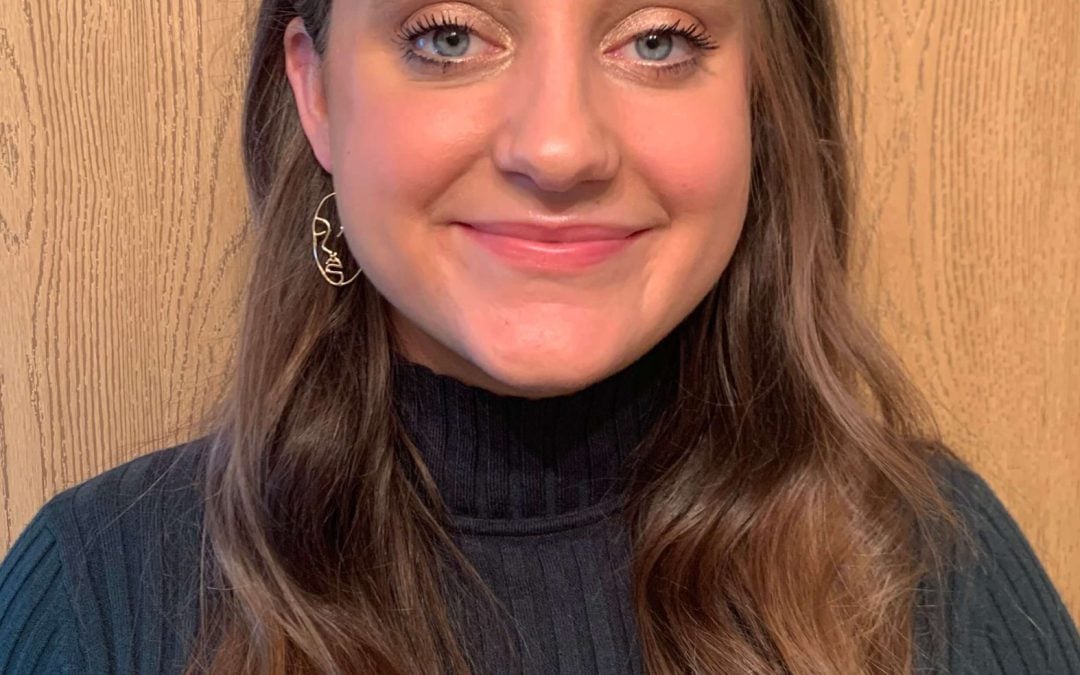
Ember McCoy
What is your area of research or expertise that you bring to the Landscapes collaboration?
I think a lot of people see critical geography and social studies of science as more theoretical or “ivory tower” facing research. But I’m really passionate about emphasizing the need for scholars and the public to understand the socio-political dimensions…
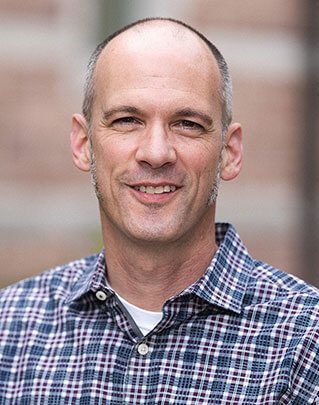
David Cunningham
What is your area of research or expertise that you bring to the Landscapes collaboration?
My research is rooted in the study of social movements, but with a focus on the systems of control that respond to those movements, by repressing or otherwise channeling activism to maintain the status quo. …