
Gateway Exposome Coordinating Center: Social Environment Domain

With an overarching goal of advancing life-course research on Alzheimer’s Disease (AD) and AD-Related Dementias (ADRD), the vision for the GECC is to serve as a centralized hub for accessing, harmonizing, linking, and sharing exposome data for AD/ADRD researchers across disciplines, with a focus on the following six key domains: (1) climate, (2) physical environment, (3) social environment, (4) policy environment, (5) community services environment, and (6) life experiences. activities. By bringing together expertise across exposome domains, the GECC will facilitate research on the ways in which aspects of the exposome, typically studied in silos, interact and influence each other and cognitive aging.
The Landscapes Program leads the GECC Social Environment Domain. For structural and policy-relevant measures of the social environment, we will innovate by building on humanist and social science theory, which are generally not integrated into studies of aging. This will allow us to provide guidance on historical and contemporary measures that reflect social resources as well as social control of residents that are highly novel for health studies. Across both the structural and relational measures of the social environment, we will engage stakeholders including survey methodologists, geographers, sociologists, social psychologists, and experts working directly with communities to understand the ways in which older adults navigate and perceive their neighborhoods, social networks, and workplaces.

Angela Bruns
Domain Investigator @ Gonzaga University (work/labor/employment)
About Angela
Angela Bruns is an Associate Professor in the Department of Sociology & Criminology at Gonzaga University. She specializes in research on social inequalities with a focus on the health and economic consequences of adverse experiences that are disproportionately prevalent among low-income and racially minoritized individuals due to deeply rooted systems of oppression that serve to concentrate adversity. Specifically, her research investigates the ways in which consequences of experiences like gun violence, incarceration, and precarious employment extend beyond individuals directly involved to family and community members whose exposure is more indirect.
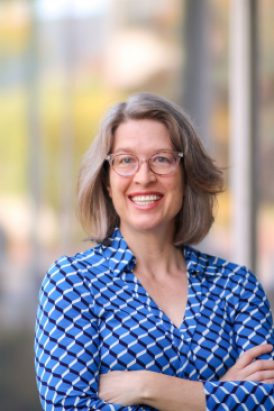
Sarah A. Burgard
Domain Investigator (work/labor/employment)
About Sarah
I am a professor of Sociology and by courtesy, of Epidemiology and Public Policy. I am also a Research Professor in the Population Studies Center and Research Affiliate in the Survey Research Center, both at the Institute for Social Research, and am the incoming director of the Population Studies Center. I have a publication record in social and health science journals in the areas of the life course determinants of health and wellbeing in later life and related health disparities, and have received funding for my research and for data collection in these areas from NIH and private foundations. I am currently an affiliate and Advisory Panel member for the Michigan Center for the Demography of Aging (MICDA), a Technical Review Committee member of the National Longitudinal Studies program of the Bureau of Labor Statistics, a former member on the Population Association Board of Directors. I also led implementation of the Institute for Social Research Strategic plan for Diversity, Equity and Inclusion for three years.
I conduct research on the social stratification of aging and health with population-based survey data, and have published extensively on the social factors underlying health disparities by socioeconomic status, gender, and race/ethnicity across the life course. I have focused particularly on the links between employment and health in later life, including mental health, chronic disease and overall health status, and health behaviors. Some of my recent research and funding has centered on understanding these questions in the context of economic recessions, which disrupt career, economic, and health paths for many adults, but especially for socioeconomically-marginalized groups. I am PI of the 2020 Americans’ Changing Lives Study ACLLIFE wave, which will collect full retrospective life histories including extensive information about life events from a cohort now in their late 50s, and a PI of the Michigan Recession and Recovery Study, a panel survey of adults in Southeast Michigan that has been tracking the life events and mental health of these individuals in the wake of the Great Recession of 2007-2009. Using these data, I have published on the influences of job loss, financial shocks, debt, housing instability, and material hardship, with a focus on creating life course measures of cumulative disadvantage for which retrospective or prospective life history data are essential.

Lindsey Burnside
Post-doctoral Fellow
About Lindsey
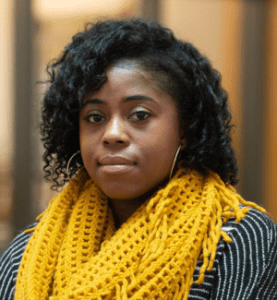
Brigette Davis
Research Fellow @ Washington University in St. Louis (residential context)
About Brigette
Brigette is a social epidemiologist, working as a Senior Scientist at Washington University School of Medicine in St. Louis. Her research has focused on the role of structural racism in health disparities, particularly among Black people. She is also interested in how racism is defined, operationalized, and measured in public health research, with a focus on exploring how racism is embedded in multiple institutions and systems across the life course. She was born and raised in St. Louis and is a proud St. Louis Public Schools alum. In her Senior Scientist role, she works closely with Dr. Sunny Lin and Dr. Gmerice Hammond to examine equity in access to high quality healthcare services. She was part of the FXB Center’s first doctoral cohort and is an alumna of the RWJF Health Policy Research Scholars program. She holds a Bachelor’s degree in Biology from Swarthmore College, a Master’s degree in Public Health from Yale School of Public Health, and a PhD in Population Health Sciences from Harvard University.

Reed DeAngelis
Domain Investigator (social connections facilitator)
About Reed
Reed DeAngelis is a population health scientist. He studies how the structuring of human societies allows some groups of people to live longer, healthier lives than others. He’s also interested in understanding how different groups cope with chronic social stress, especially through religious and spiritual beliefs and practices.

Jessica Finlay
Domain Investigator @ University of Colorado (residential context)
About Jessica
I am a health geographer and environmental gerontologist who uses qualitative and mixed methods to investigate how built, social, and natural environments affect health, aging, and quality of mid to later life. I focus particularly on neighborhood determinants of cognitive aging and physically, socially, and intellectually active aging in place. The goal of my research is to inform upstream health promotion and policy strategies to address socio-geographic determinants of health across the life course, particularly among underserved communities.
My early research identified salient neighborhood features (e.g., accessible housing, transportation, services, and ‘third places’ outside of home and work) to support racially and socioeconomically diverse aging adults. I advocated for policy to support older adults, particularly those who are unhoused, low-income, isolated, disabled, and aging in underserved and vulnerable communities. One of the greatest fears expressed by older adults in my dissertation research inspired my postdoctoral and current research: Alzheimer’s Disease and Related Dementias (ADRD). I developed a new concept of Cognability and public mapping tool to capture how supportive an area is to cognitive aging through neighborhood services, amenities, and hazards. My research utilizes large national datasets including the Reasons for Geographic and Racial Differences in Stroke (REGARDS) Study and Health and Retirement Study (HRS).
Additionally, I have co-led the COVID-19 Coping Study since March 2020. This mixed-methods study investigates physical, mental, social, and cognitive health and well-being among US adults aged 55 and older since the pandemic onset. I help develop and advance the National Neighborhood Data Archive (NaNDA), a public mapping resource that curates national geospatial data relevant to public health over time.
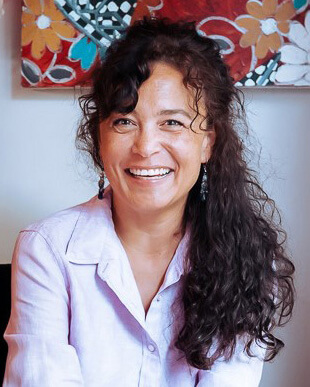
Margaret T. Hicken
Domain Lead (residential context facilitator)
About Margaret
Through her entire research program, Margaret Hicken is committed to clarifying the social causes and biological mechanisms underlying population patterns in health. The major hallmark of her research is the integration of scientific knowledge from across disciplines, as this transdisciplinary approach allows for creative and innovative insights into the root drivers of these patterns. She has built, from the ground up, a research program around her conceptual framework that integrates humanist and social science scholarship on US society to the biological literature on stress biology, molecular mechanisms, and health. For example, her research suggests that social exposures amplify the health impact of environmental exposures, providing important evidence that multiple features of American society operate together to drive population health patterns.
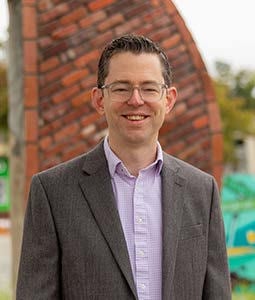
Brian Levy
Domain Investigator @ University of South Carolina (residential context)
About Brian
Brian Levy is an Assistant Professor of Sociology at the University of South Carolina. He received a Ph.D. in Sociology from the University of North Carolina at Chapel Hill (2017) and a Master’s in Public Affairs from the LBJ School at the University of Texas at Austin (2009). Prior to joining USC, Brian was a postdoctoral fellow in the Department of Sociology at Harvard University (2017-19) and Assistant Professor at George Mason University (2019-24). He also previously served as a Presidential Management Fellow and Social Science Analyst in the Office of the Assistant Secretary for Planning and Evaluation (ASPE) at the U.S. Department of Health and Human Services (2009-2012).
Brian’s work appears in venues such as American Sociological Review, Demography, Science Advances, Social Forces, Sociological Methods and Research, and Sociology of Education.
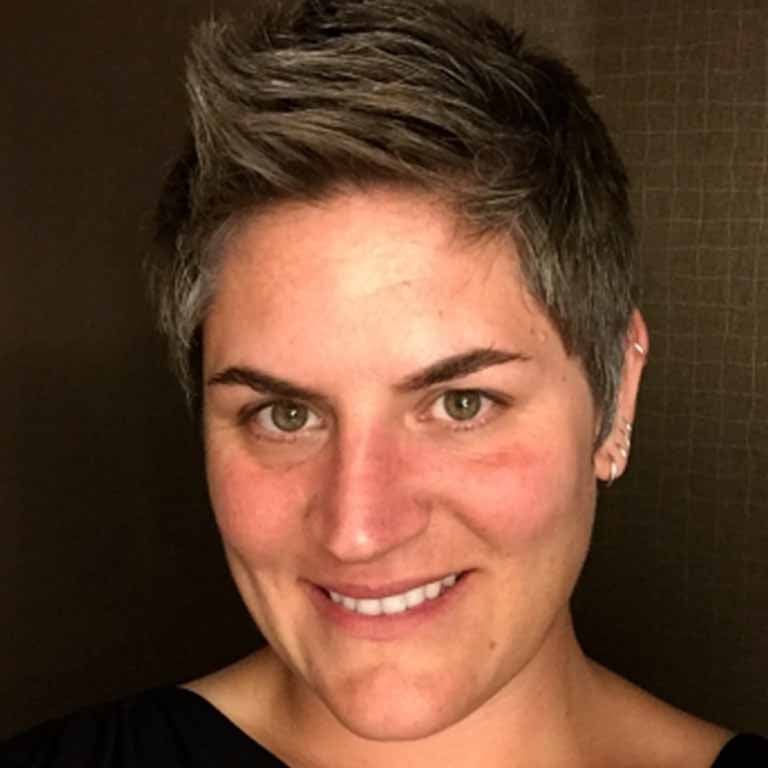
Brea L. Perry
Domain Investigator @ Indiana University (social connections)
About Brea
Brea Perry is a Professor of Sociology and an affiliated faculty of the Indiana University Network Science Institute. She began her career at the University of Kentucky before returning to Indiana University in 2014, where she received her PhD in 2008. Her research investigates the interrelated roles of social networks, biomarkers, social psychology, and social inequality in health and illness, with a particular focus on mental illness and substance use disorders. She has a strong interest in longitudinal research, dynamic social processes, and quantitative methods, especially personal social network analysis. Perry’s current projects (funded by NIH and NSF) examine: 1) the social dynamics of high-risk opioid-seeking behavior; 2) the social safety nets of healthcare “super utilizers” with complex, comorbid conditions; 3) cognitive reserve and social network moderation of neurodegeneration in the aging brain; 4) stigma as barrier to recovery from opioid dependence in rural and urban communities; and 5) contributions of acculturation, social networks, and cultural health capital to the immigrant health paradox.
Brea Perry has published her research in journals such as American Journal of Sociology, American Sociological Review, Journal of Health and Social Behavior, and Social Science and Medicine. She is currently on the editorial board of Journal of Health and Social Behavior, and is the series editor of Advances in Medical Sociology. Perry recently authored a book on ego network methodology (Cambridge University Press) with Bernice Pescosolido and Steve Borgatti. She has received funding from multiple National Institutes of Health, including NIDA, NIDCR, NIA, and NCRR, as well as the National Science Foundation and several charitable foundations. When she is not being a professor, Brea enjoys spending time with her family, hiking, playing soccer, and singing karaoke.
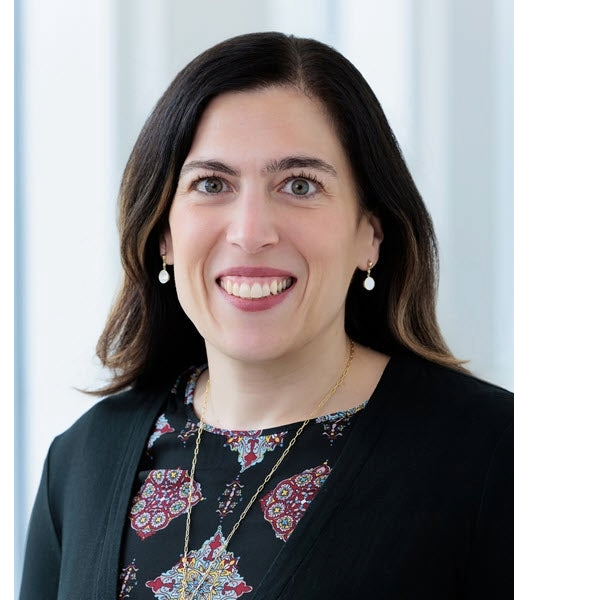
Elizabeth Roberto
Domain Investigator @ Rice University (residential context)
About Elizabeth
Elizabeth Roberto is an Assistant Professor in the Department of Sociology and the founding co-Director of the Center for Computational Insight on Inequality and Society at Rice University. Dr. Roberto has broad research interests in social and spatial inequality, a substantive focus on residential segregation, and methodological expertise in computational social science and quantitative methods. Her research uses innovative methods to examine the complex relationship between the social and built environment of cities. Dr. Roberto received a Ph.D. in Sociology from Yale University. She was awarded a James S. McDonnell Foundation Postdoctoral Fellowship Award in Studying Complex Systems, which supported her postdoctoral research at Princeton University. Her research has also been supported by the American Sociological Association and the National Academies.
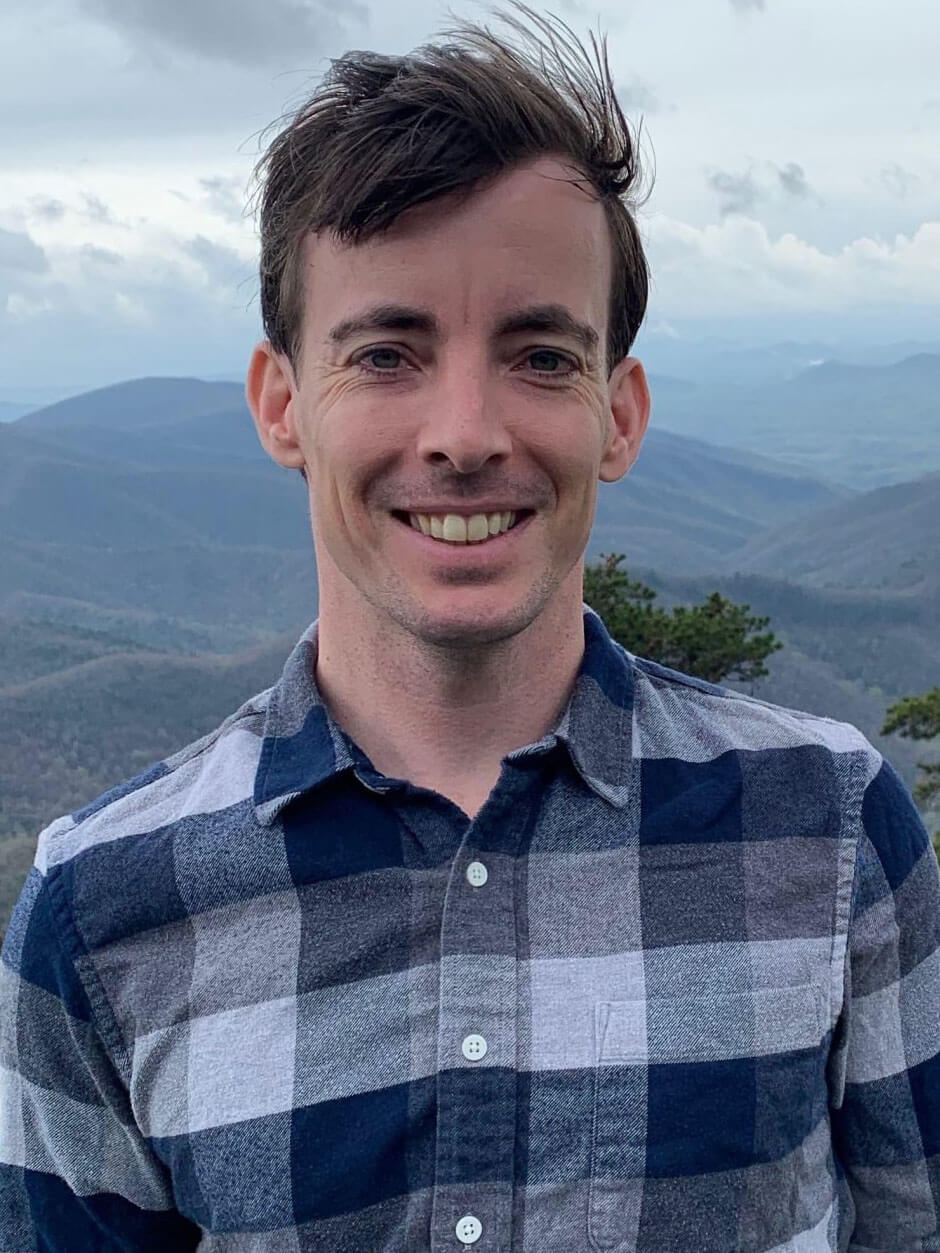
David Rigby
Domain Investigator (work/labor/employment facilitator)
About David
David Rigby is an Assistant Research Scientist in the Landscapes Lab. David’s research interests focus on understanding processes of social change over time, the ways that social dynamics and institutions are informed by changing logics, and the pathways through which historical exposures shape institutions and cultures, impacting the contemporary distribution of risk, resources, and opportunity. David’s work uses quantitative, archival, spatial, and computational methods to gather data on historical forms of violence and control, and to investigate how the historical development of cultural logics and institutions patterns exposure to social and environmental stressors that aggregate into population variation in health. David’s current projects include collaborations using varying archival, survey, and trace data sources to analyze how place-specific histories of violence and social control continue to impact the organization of and access to public space, development of local labor markets, and population health.

Debra J. Umberson
Domain Investigator @ University of Texas Austin (social connections)
About Debra
Debra Umberson is a professor of sociology and Director of the Center on Aging and Population Sciences (CAPS) at The University of Texas at Austin. CAPS is one of the 12 U.S. Centers on the Demography & Economics of Aging supported by the National Institute on Aging. She is also an affiliate of the Population Research Center and holds a courtesy appointment in the Steve Hicks School of Social Work.
Her research focuses on social factors that influence health and well-being throughout the life course. She is a leading expert on social relationships, social isolation, and relationship loss. Her current research, supported by the National Institute on Aging, examines how spouses influence each other’s health-related behavior and health care, and how those processes vary for same-sex and different-sex couples. She is also at the forefront of research on racial and ethnic differences in exposure to the death of family members across the life course and the implications for long-term health and mortality disparities. She is writing a book on how a child’s death at any point in the life course affects parents’ aging and lifelong health.