
WorkLife Study
 Americans spend a substantial amount of their lives at work. Wellness in the work environment may play an important role in sleep quality, which in turn may have an impact on health. For example, a poor work environment—like having a high workload, time pressures, and limited freedom to make decisions—has been linked to poor sleep and health. Our study seeks to explore:
- The relationships between workplace wellness, sleep, and health
- The impact of the work environment on biological health measures like heart rate and blood pressure
- The influence of health measures on the quality and duration of sleep
To learn more, visit our study website.

Kira S. Birditt
Faculty Investigator (biomonitors, aging)
About Kira
Dr. Kira Birditt is a Research Professor and Director of the Aging and Biopsychosocial Innovations Program. Dr. Birditt’s program of research focuses on negative aspects of relationships, stress, and the implications of relationships and stress for health and well-being over time (using both self-reported and biological indicators of health). She is particularly interested in understanding how relationships differentially influence health and well-being depending on the context of stress. Most of her projects involve examining individuals and dyads either over time and or within families. Results from multiple projects indicate that aspects of relationships that are beneficial or harmful are often very different when individuals are under stress.

Lindsey Burnside
Faculty Investigator (stress)
About Lindsey

Reed DeAngelis
Faculty Investigator (population health)
About Reed
Reed DeAngelis is a population health scientist. He studies how the structuring of human societies allows some groups of people to live longer, healthier lives than others. He’s also interested in understanding how different groups cope with chronic social stress, especially through religious and spiritual beliefs and practices.
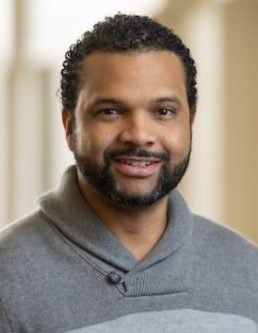
Myles Durkee
Faculty Investigator (code switching)
About Myles
Dr. Durkee is a psychologist who examines the dynamics of code-switching, cultural invalidations, and racial discrimination to determine how these experiences influence important psychosocial outcomes (such as mental health, identity development, & academic achievement). His program of research examines how people of color navigate racial contexts, modify their racial behavior to fit into certain contexts, and internalize messages about their cultural authenticity from individuals inside and outside of their racial group.
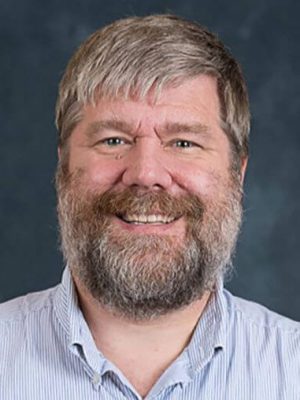
Michael Elliott
Faculty Investigator (statistics)
About Michael
Michael Elliott is a Professor of Biostatistics at the University of Michigan School of Public Health and Research Scientist at the Institute for Social Research. He received his PhD in biostatistics in 1999 from the University of Michigan. Prior to joining the University of Michigan in 2005, he held an appointment as an Assistant Professor at the Department of Biostatistics and Epidemiology at the University of Pennsylvania School of Medicine, and prior to that as a Visiting Professor of Biostatistics at the University of Michigan School of Public Health and as a Visiting Research Scientist at the University of Michigan Transportation Research Institute. Dr. Elliott’s statistical research interests focus around the broad topic of “missing data,” including the design and analysis of sample surveys, casual and counterfactual inference, and latent variable models. He has worked closely with collaborators in injury research, pediatrics, women’s health, the social determinants of physical and mental health, and smoking cessation research. Dr. Elliott has served as an Associate Editor for the Journal of the Royal Statistical Society, Series C and the Journal of the American Statistical Association, and as an Associate Editor and Editor of the Journal of Survey Statistics and Methodology. He was Associate Chair of Academic Affairs for the Department from 2018-2021.
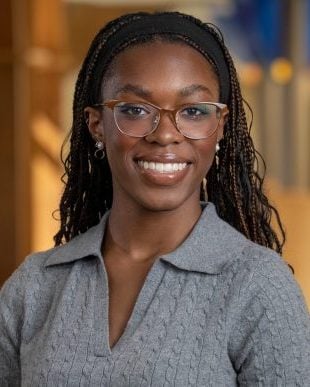
Karis Hawkins
Study Coordinator
About Karis
Karis Hawkins recently graduated from the University of Michigan School of Public Health with a Master of Public Health in Epidemiology. She is interested in researching social infrastructure and health disparities among Black Americans and examining the ways in which we conceptualize how place and space shape the health of marginalized populations. In her spare time, she enjoys cooking, baking, figure skating, and reading.
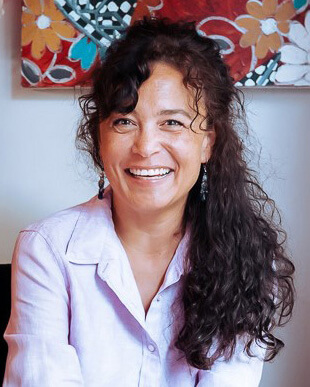
Margaret T. Hicken
Principal Investigator
About Margaret
Through her entire research program, Margaret Hicken is committed to clarifying the social causes and biological mechanisms underlying population patterns in health. The major hallmark of her research is the integration of scientific knowledge from across disciplines, as this transdisciplinary approach allows for creative and innovative insights into the root drivers of these patterns. She has built, from the ground up, a research program around her conceptual framework that integrates humanist and social science scholarship on US society to the biological literature on stress biology, molecular mechanisms, and health. For example, her research suggests that social exposures amplify the health impact of environmental exposures, providing important evidence that multiple features of American society operate together to drive population health patterns.
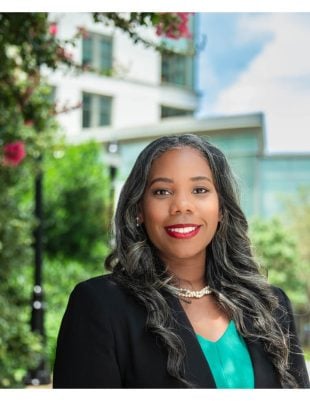
Dayna A. Johnson
Faculty Investigator at Emory University (sleep)
About Dayna
Dr. Dayna A. Johnson is the Rollins Associate Professor in the Department of Epidemiology and jointly appointed in the Gangarosa Department of Environmental Health at Emory University’s Rollins School of Public Health. She is the director of the Sleep Epidemiology Research Group (SERG). Dr. Johnson is a sleep epidemiologist whose research focuses on the social and environmental determinants of sleep health and sleep disorders, and their implications for adverse health outcomes including cardiovascular disease, cancer, and cognitive decline. Dr. Johnson’s research is particularly noted for addressing the underlying social and environmental factors contributing to sleep disorders and insufficient sleep among different populations, with a significant emphasis on African American communities. Dr. Johnson received her PhD in Epidemiologic Science from the University of Michigan, where she laid the groundwork for her extensive research into sleep health. Following her doctoral studies, she completed a postdoctoral fellowship in Sleep and Circadian Disorders at Harvard Medical School and Brigham and Women’s Hospital, which further solidified her expertise in the field. Dr. Johnson’s research aims to identify and mitigate the factors that contribute to disparities in sleep health. She is actively involved in studies that explore how household and neighborhoodlevel factors influence sleep patterns and how these patterns affect health outcomes like hypertension. One of her key research projects, the ARISE Study (Assessment of Rhythms in Sleep and the Environment study, a NHLBI R01 grant), focuses on psychosocial stressors, measuring environmental factors in real-time and their impact on sleep and circadian disruption and cardiovascular health (ambulatory blood pressure monitoring and arterial stiffness) among African Americans adults. She is also funded by the American Academy of Sleep Medicine to study the influence of a culturally tailored digital sleep health campaign on promoting better sleep and screening of sleep disorders. In addition to our primary research, she conducts secondary analyses of large epidemiologic cohort studies including Jackson Heart Study, REGARDS, and MESA. As part of SERG, Dr. Johnson leads the sleep reading center at Emory, with expertise in sleep data collection over time and analysis. Dr. Johnson has over 160 publications and numerous appearances in the media as a sleep expert. Her work has been featured on CBS and other prominent platforms, where she discusses strategies to improve sleep health and reduce related health disparities.
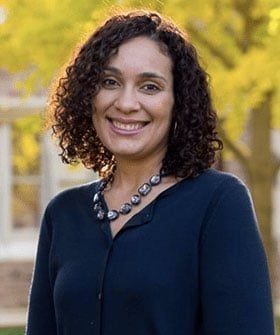
Hedy Lee
Faculty Investigator at Duke University (vigilance)
About Hedy
Hedwig (Hedy) Lee is broadly interested in the social determinants and consequences of population health. She received her PhD in Sociology from the University of North Carolina at Chapel Hill in 2009. After receiving her PhD, she was a Robert Wood Johnson Foundation Health & Society Scholar at the University of Michigan from 2009 to 2011. Her recent work examines the impact of American social structure features, such as family and the carceral system, and population health.
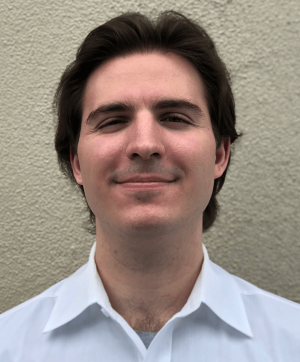
Konstantinos Papaefthymiou
Data Manager
About Konstantinos
Konstantinos Papaefthymiou joined Social Environment and Health as a data project manager, having worked as a data curator at ICPSR and a research affiliate at USC CREATE prior. He holds a Master’s in Public Policy from the University of Southern California and has contributed to research on topics including disaster resilience and environmental economics.

Marie-Anne S. Rosemberg
Faculty Investigator (work environment)
About Marie-Anne
Dr. Rosemberg is an assistant professor at the University of Michigan, School of Nursing in the Systems, Populations, and Leadership Department. Her program of research focuses on addressing occupational health disparities among youth and adult working populations at risk for or experiencing one or multiple chronic conditions. She aims to mitigate socioecological stressors and remediate the associated pathophysiologic and maladaptive behavioral responses, and tertiary outcomes among vulnerable workers. Dr. Rosemberg earned her masters degree in Communities and Populations health at the University of Washington Tacoma. She earned her PhD with a specialty focus on occupational and environmental health as a fellow of the Centers for Disease Control (CDC)-National Institute for Occupational Safety and Health (NIOSH). Dr. Rosemberg completed her postdoctoral training as a T32 follow of the National Institutes of Health (NIH) at the University of Michigan. Her work thus far has focused on workers in service industries (including hospitality, nail salon, and home care) who face particular challenges due to social factors. In addition to her research, Dr. Rosemberg serves on the CDC-NIOSH Healthy Work Design and Well-Being Cross-Sector Service Council, and is currently chair of the Chronic Conditions objective for the phase two of the Healthy Work Design Council for the National Occupational Research Agenda (NORA).
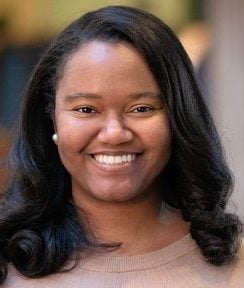
Dominique Sylvers
Research Assistant
About Dominique
Dominique Sylvers is a doctoral student in the department of Health Behavior and Health Education (HBHE) at the School of Public Health. She received her Master’s of Public Health from HBHE in 2017, after which, she was involved with various aspects of chronic disease intervention research. As a pre-doctoral trainee at ISR, in both Social Environment and Health (SEH) and the Population Studies Center (PSC), her research centers around examining social factors for their role in health and aging differences. More specifically, she’s studied the influence of the social environment via specific neighborhood and regional contexts and their relationship to differential outcomes in cognitive aging and dementia care-giving. Dominique’s dissertation work involves clarifying the role of educational context as contributing to differences in biological aging using DNA Methylation.