
WorkLife Study
 Americans spend a substantial amount of their lives at work. Wellness in the work environment may play an important role in sleep quality, which in turn may have an impact on health. For example, a poor work environment—like having a high workload, time pressures, and limited freedom to make decisions—has been linked to poor sleep and health. Our study seeks to explore:
- The relationships between workplace wellness, sleep, and health
- The impact of the work environment on biological health measures like heart rate and blood pressure
- The influence of health measures on the quality and duration of sleep
To learn more, visit our study website.
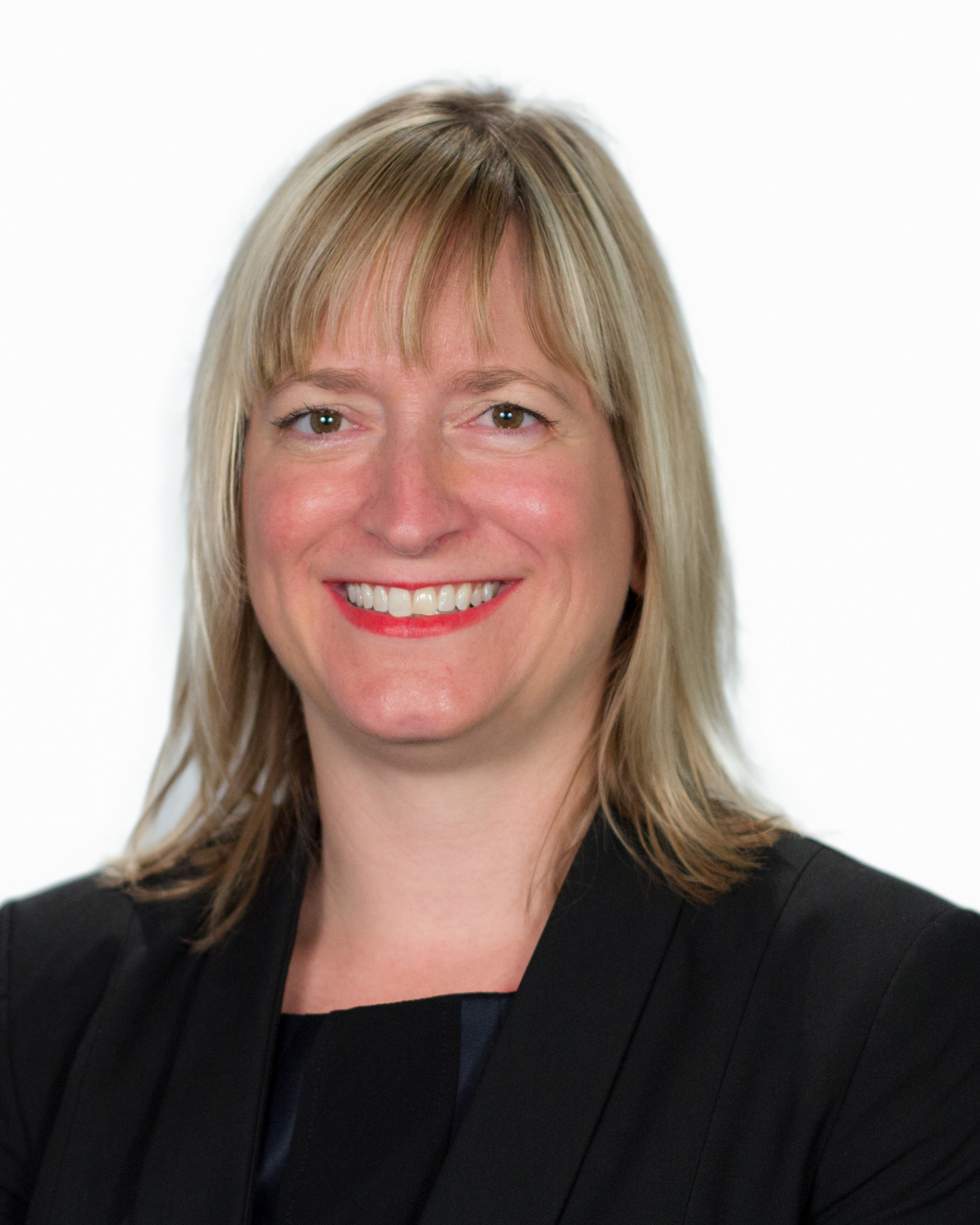
Kira S. Birditt
Faculty Investigator (biomonitors, aging)
About Kira
Dr. Kira Birditt is a Research Professor and Director of the Aging and Biopsychosocial Innovations Program. Dr. Birditt’s program of research focuses on negative aspects of relationships, stress, and the implications of relationships and stress for health and well-being over time (using both self-reported and biological indicators of health). She is particularly interested in understanding how relationships differentially influence health and well-being depending on the context of stress. Most of her projects involve examining individuals and dyads either over time and or within families. Results from multiple projects indicate that aspects of relationships that are beneficial or harmful are often very different when individuals are under stress.

Lindsey Burnside
Study Coordinator
About Lindsey

Benjamin Culp
Data Collection Coordinator
About Benjamin
Ben Culp is a research assistant for Dr. Margaret Hicken’s WorkLife Study. He earned his Bachelor of Science in Biopsychology, Cognition, and Neuroscience from the University of Michigan in 2023. Ben is particularly interested in understanding health outcomes.

Reed DeAngelis
Faculty Investigator (population health)
About Reed
Reed DeAngelis is a population health scientist. He studies how the structuring of human societies allows some groups of people to live longer, healthier lives than others. He’s also interested in understanding how different groups cope with chronic social stress, especially through religious and spiritual beliefs and practices.
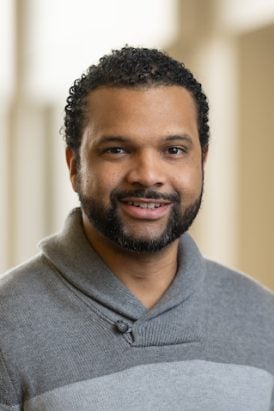
Myles Durkee
Faculty Investigator (code switching)
About Myles
Dr. Durkee is a psychologist who examines the dynamics of code-switching, cultural invalidations, and racial discrimination to determine how these experiences influence important psychosocial outcomes (such as mental health, identity development, & academic achievement). His program of research examines how people of color navigate racial contexts, modify their racial behavior to fit into certain contexts, and internalize messages about their cultural authenticity from individuals inside and outside of their racial group.
Michael Elliott
Faculty Investigator (statistics)
About Michael
Michael Elliott is a Professor of Biostatistics at the University of Michigan School of Public Health and Research Scientist at the Institute for Social Research. He received his PhD in biostatistics in 1999 from the University of Michigan. Prior to joining the University of Michigan in 2005, he held an appointment as an Assistant Professor at the Department of Biostatistics and Epidemiology at the University of Pennsylvania School of Medicine, and prior to that as a Visiting Professor of Biostatistics at the University of Michigan School of Public Health and as a Visiting Research Scientist at the University of Michigan Transportation Research Institute. Dr. Elliott’s statistical research interests focus around the broad topic of “missing data,” including the design and analysis of sample surveys, casual and counterfactual inference, and latent variable models. He has worked closely with collaborators in injury research, pediatrics, women’s health, the social determinants of physical and mental health, and smoking cessation research. Dr. Elliott has served as an Associate Editor for the Journal of the Royal Statistical Society, Series C and the Journal of the American Statistical Association, and as an Associate Editor and Editor of the Journal of Survey Statistics and Methodology. He was Associate Chair of Academic Affairs for the Department from 2018-2021.

Bassey Enun
Research Project Manager, Johnson Lab at Emory University
About Bassey
Bassey Enun is a Research Project Manager at Emory University. She is a US-trained physician with certified training in Advanced Clinical Research Project Management(ACR-PM), Pharmacovigilance and Drug Safety (PVDS), Advanced Clinical Research Coordination (ACRC), and Advanced Clinical Research Associate(ACRA). She is passionate about clinical research, destroying barriers to healthcare, and empowering patients to take control of their health. She is dedicated to providing an environment where all are welcome to participate in clinical research.

Jamie Guyot
Study Coordinator
About Jamie
Jamie Guyot received her B.S. in Brain, Behavior & Cognitive Sciences from the University of Michigan and her M.S.A. in Public Administration from Central Michigan University.
She currently oversees projects and staff within the ABI program. Her primary responsibilities are administrative oversight of study staff and working with the staff on study recruitment and data collection. She assists the director with grant budgeting, proposals and data presentations. She has worked in research at the University of Michigan for 14 years, all in the medical school until she came to ISR in June 2022.
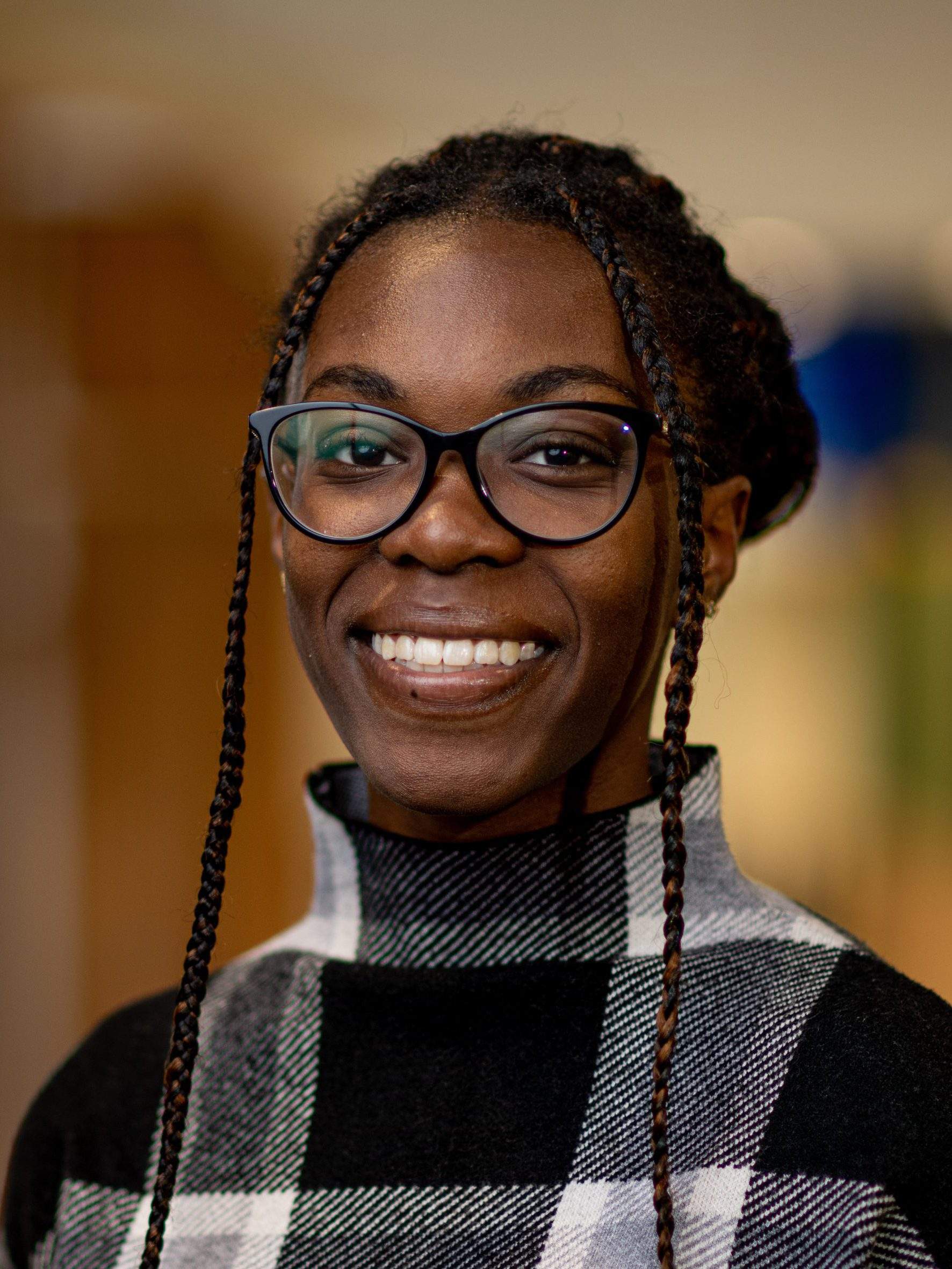
Karis Hawkins
Research Assistant
About Karis
Karis Hawkins is a first year graduate student in the Department of Epidemiology at the University of Michigan School of Public Health MPH program on the General Epidemiology track. She earned her B.S. in May 2024 from the University of Michigan School of Public Health in Public Health Sciences. She is interested in social epidemiology, examining the effects of social factors on health and research related to the intersection of social contexts and health. In her spare time, she enjoys cooking and trying out new recipes. Her specialty is baking.
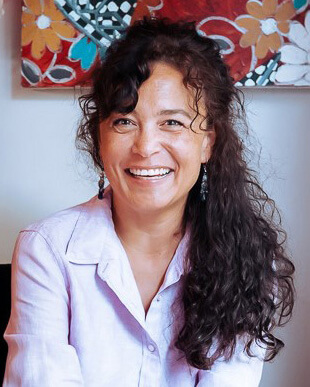
Margaret T. Hicken
Principal Investigator
About Margaret
Through her entire research program, Margaret Hicken is committed to clarifying the social causes and biological mechanisms underlying population patterns in health. The major hallmark of her research is the integration of scientific knowledge from across disciplines, as this transdisciplinary approach allows for creative and innovative insights into the root drivers of these patterns. She has built, from the ground up, a research program around her conceptual framework that integrates humanist and social science scholarship on US society to the biological literature on stress biology, molecular mechanisms, and health. For example, her research suggests that social exposures amplify the health impact of environmental exposures, providing important evidence that multiple features of American society operate together to drive population health patterns.

Dayna A. Johnson
Faculty Investigator at Emory University (sleep)
About Dayna
Dr. Dayna A. Johnson, PhD, MPH, MSW, MS is a sleep epidemiologist and Assistant Professor in the Department of Epidemiology at the Rollins School of Public Health, Emory University in Atlanta GA. She also holds an academic appointment in the Gangarosa Department of Environmental Health at Emory. Dr. Johnson’s research is aimed at understanding the root causes of sleep health differences and their impact on health outcomes by 1) addressing the social and environmental determinants of sleep disorders and insufficient sleep; and 2) investigating the influence of modifiable factors such as sleep disorders and disturbances on disparities in health outcomes (e.g., hypertension, diabetes, metabolic syndrome, cancer, cognition). She is funded by the National Institutes of Health to investigate associations of contextual factors and psychosocial stress on sleep and blood pressure. Dr. Johnson is also engaged in community partnerships to investigate the effect of environmental exposures and housing on health among residents of Georgia. She has been featured in several magazines, podcasts and news programs including CBS for her expertise in sleep health and sleep disorders. Her mission is to increase awareness around the importance of sleep.

Tamia Johnson
Research Assistant
About Tamia
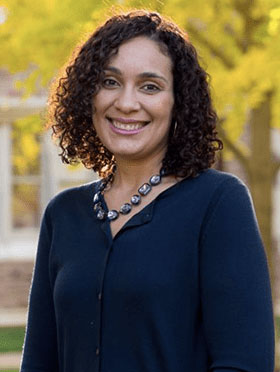
Hedy Lee
Faculty Investigator at Duke University (vigilance)
About Hedy
Hedwig (Hedy) Lee is broadly interested in the social determinants and consequences of population health. She received her PhD in Sociology from the University of North Carolina at Chapel Hill in 2009. After receiving her PhD, she was a Robert Wood Johnson Foundation Health & Society Scholar at the University of Michigan from 2009 to 2011. Her recent work examines the impact of American social structure features, such as family and the carceral system, and population health.

Xinyu Lin
Research Assistant
About Xinyu
Xinyu Lin is currently pursuing her graduate studies at MPSDS. She holds a Bachelor’s degree in Economics from Hohai University and has a keen interest in data science. In her free time, she enjoys engaging in volunteer activities related to environmental protection and caring for small animals.
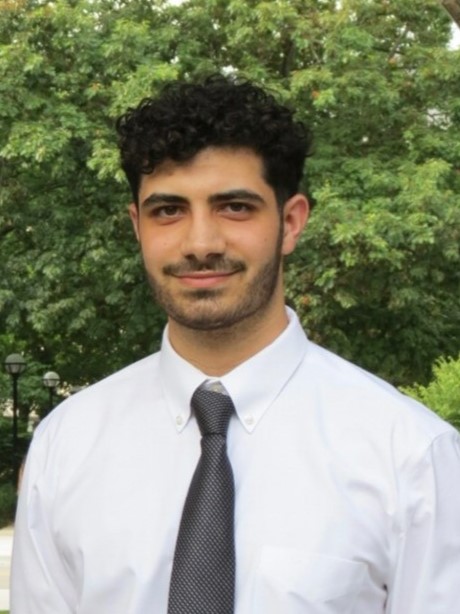
Neil Nakkash
Research Assistant
About Neil
Neil J. Nakkash is a research assistant on Dr. Margaret Hicken’s WorkLife Study. A graduate of the University of Michigan Ford School of Public Policy, Neil is interested in how national and global policies impact population health. His long-term goals include pursuing a career that engages his interests in medicine and public health. In his free time, Neil enjoys hiking and writing book reviews on Goodreads.
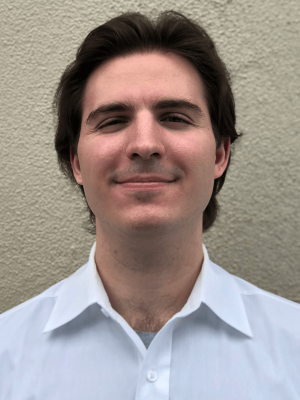
Konstantinos Papaefthymiou
Data Manager
About Konstantinos
Konstantinos Papaefthymiou joined Social Environment and Health as a data project manager, having worked as a data curator at ICPSR and a research affiliate at USC CREATE prior. He holds a Master’s in Public Policy from the University of Southern California and has contributed to research on topics including disaster resilience and environmental economics.

Marie-Anne S. Rosemberg
Faculty Investigator (work environment)
About Marie-Anne
Dr. Rosemberg is an assistant professor at the University of Michigan, School of Nursing in the Systems, Populations, and Leadership Department. Her program of research focuses on addressing occupational health disparities among youth and adult working populations at risk for or experiencing one or multiple chronic conditions. She aims to mitigate socioecological stressors and remediate the associated pathophysiologic and maladaptive behavioral responses, and tertiary outcomes among vulnerable workers. Dr. Rosemberg earned her masters degree in Communities and Populations health at the University of Washington Tacoma. She earned her PhD with a specialty focus on occupational and environmental health as a fellow of the Centers for Disease Control (CDC)-National Institute for Occupational Safety and Health (NIOSH). Dr. Rosemberg completed her postdoctoral training as a T32 follow of the National Institutes of Health (NIH) at the University of Michigan. Her work thus far has focused on workers in service industries (including hospitality, nail salon, and home care) who face particular challenges due to social factors. In addition to her research, Dr. Rosemberg serves on the CDC-NIOSH Healthy Work Design and Well-Being Cross-Sector Service Council, and is currently chair of the Chronic Conditions objective for the phase two of the Healthy Work Design Council for the National Occupational Research Agenda (NORA).